
Managing Efficiency and Cycle Time with Your DMS
By Edward MacFawn, President of BiT DMS, an MRAA Platinum Partner
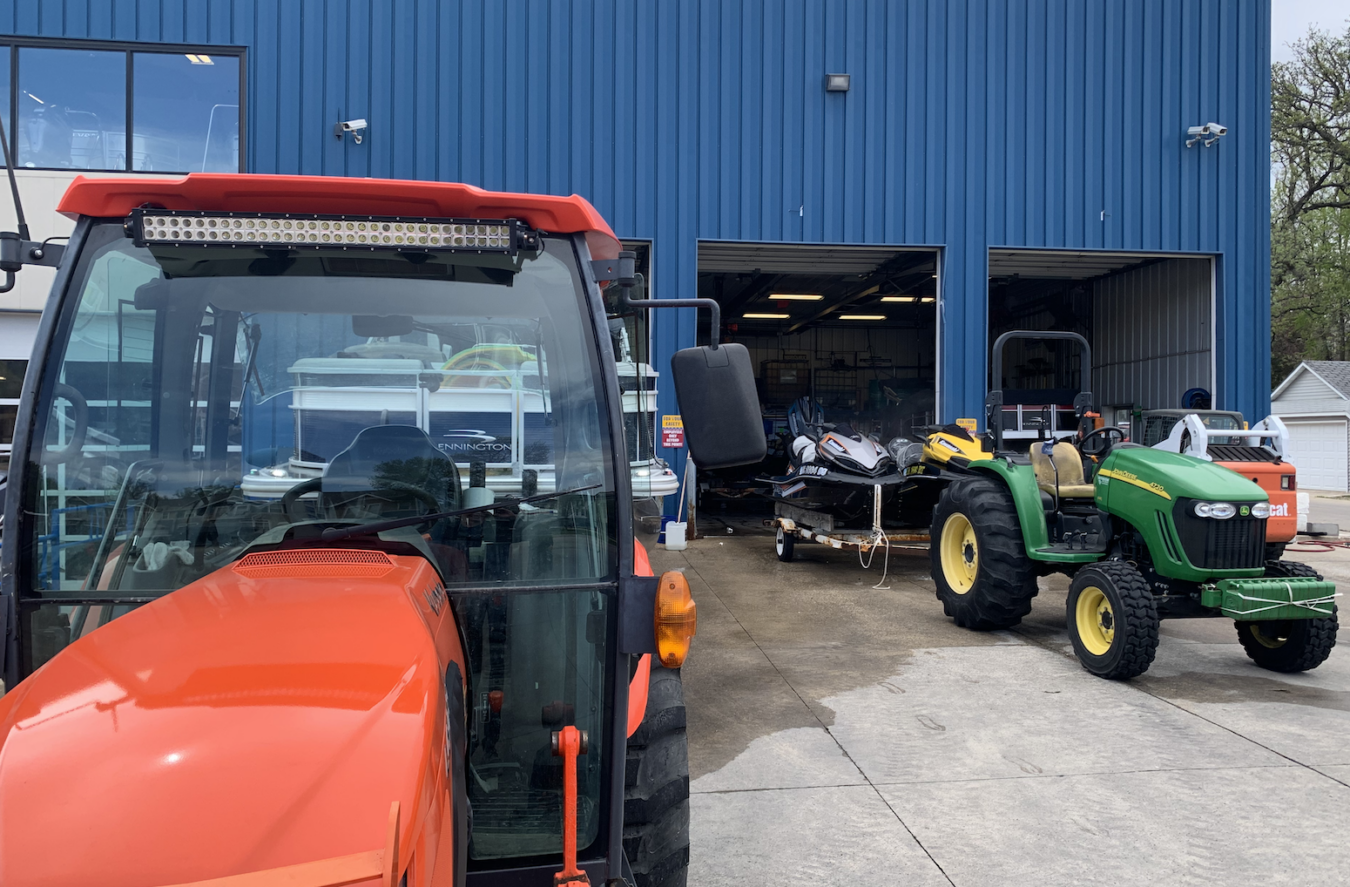
During the spring rush, an active service department can look productive. Boats fill the yard, repair orders remain open and every technician has multiple jobs assigned. However, activity and progress are not necessarily the same thing.
A technician may diagnose one boat, stop because a part is unavailable, begin another job, pause for customer authorization and then move to a third. By the end of the day, everyone has stayed busy, but few boats are significantly closer to completion.
Reducing spring service cycle time requires more than filling the schedule. It requires controlling how much work your dealership starts and keeping active jobs moving toward completion.

Separate Your Backlog from Active Work
Not every open work order should be treated as work in progress.
Your backlog includes all the work your dealership has agreed to perform. Some of those jobs may be scheduled for a future date or waiting for information, authorization or parts. Work in progress should include only the jobs your team can actively advance.
Create clear statuses within your DMS that distinguish among:
- Scheduled work
- Awaiting diagnosis
- Needing customer authorization
- Awaiting parts
- Ready for a technician
- Actively being repaired
- Awaiting quality control
- Ready for pickup
This distinction helps service managers understand what is moving, what is waiting and why.
Build a Ready-to-Work Queue
Before a boat enters a service bay, confirm that the technician has what is needed to make meaningful progress.
Depending on the job, that may include:
- Complete customer and boat information
- A documented description of the issue
- An approved scope of work
- Required parts in stock or pulled
- Service instructions
- Previous repair history
- An assigned technician
- Available bay space and equipment
A boat that is missing one of these elements may still require attention but moving it into an active bay prematurely can interrupt other work and create another partially completed job. Use your dealer management system to identify jobs that meet the dealership’s readiness requirements. These jobs become the queue technicians can pull from as capacity becomes available.
Limit Work in Progress
Starting every available job may make the schedule appear productive, but excessive work in progress creates hidden delays. Technicians lose time when they repeatedly put away tools, move boats, review different repair histories and reorient themselves to jobs they previously started. Service advisors also have more open conversations, authorizations and status questions to manage.
Set a practical limit on the number of active jobs each technician or team can manage. The appropriate number will depend on the complexity of the work, your facility and staffing. The goal is not to leave technicians idle. It is to encourage completion before additional work is started. When a job becomes blocked, update its status in your DMS and move it out of the active queue until the obstacle is resolved.
Manage the Blockers, Not Just the Schedule
Meet briefly with your team daily to discuss waiting work. Focus on questions that lead to action:
- Which jobs have stopped moving?
- What is each job waiting for?
- How long has it been in that status?
- Who owns the next step?
- Can the obstacle be resolved today?
A work order that has been open for 10 days should tell you there is a major delay. Knowing that it has spent seven of those days awaiting authorization tells you where to act.
Assign responsibility for every blocker. Parts can follow up on an overdue order. A service advisor can contact the customer. A manager can approve an alternative repair plan. The DMS should provide the shared record that keeps these actions and job statuses visible.
Measure Completed Work
Technician hours and the number of open work orders are important, but they do not tell the entire story. Also monitor how many jobs are completed and how long work remains in each waiting status. If active work continues to grow faster than completed work, the dealership may be starting too much at once. If one waiting category repeatedly grows, the underlying process needs attention.
Spring demand will always test a marine service department. The answer is not simply to push more boats into the shop. It is to know which jobs are ready, manage the work being actively handled and remove the obstacles preventing completion.
A full yard shows how much work you have. A steady flow of completed repair orders shows how well your operation is working.
About the Author
For more than 21 years, Edward MacFawn, President of BiT DMS, has helped boat dealers and marine service centers increase profitability by bringing greater efficiency, visibility and control to their operations. Drawing on his background in finance and operations, including experience with KPMG and Honeywell, Edward has focused BiT on solving the real-world challenges that affect marine businesses every day.

Under Edward’s leadership, BiT has helped dealers connect sales, service, parts, inventory, slips/storage and customer communication through one integrated system. He spearheaded what industry reporting identified as the first web-based marine dealer management system in 2013 and later championed embedded two-way text messaging within the DMS. These innovations have helped marine businesses reduce administrative friction, improve customer responsiveness and make better decisions using more accurate, accessible information.
Today, Edward continues to guide BiT in developing practical technology around the way boat dealers and service centers actually work. His mission remains clear: Give independent marine businesses the tools to operate more efficiently, serve customers more effectively and build stronger, more profitable companies without sacrificing flexibility or personal service.
Editor’s note: MRAA publishes partner-contributed articles to provide marine retailers with practical education, subject-matter expertise and industry perspective. MRAA maintains editorial oversight of partner-contributed content and may edit submissions for clarity, relevance, AP style, search visibility and alignment with MRAA’s dealer-first educational standards. Recommendations should be considered alongside each dealership’s goals, processes, team capacity and business needs.