
For marine retailers, protecting boating access isn’t just an advocacy issue—it’s a business issue.
As pressure mounts on waterways across the country, particularly around wake boats and tow sports, dealers increasingly find themselves on the front lines of conversations about responsible boating, safety, and waterway management. While it’s easy to view proposed restrictions as someone else’s problem, the reality is that local access challenges can quickly impact your customers, your business, and the future of boating in your community.
That’s why the work undertaken by Buckeye Sports Center’s Steve Mackel on Lake Mohawk offers an important lesson for dealers nationwide.
When Concerns Become Restrictions
Lake Mohawk is a private, 507-acre lake in eastern Ohio that has experienced significant growth over the past decade. As property values increased and new residents moved in, boat traffic grew and tow sports became more popular. Along with that growth came familiar concerns.
Some property owners began questioning whether modern wake boats belonged on the lake at all. Concerns about shoreline erosion, property damage, congestion, and boating behavior started to gain traction. Community leaders worried that many new boat owners simply weren’t receiving the training necessary to operate safely and responsibly on a relatively small body of water.
For many dealers, this is the point where rumors begin, tensions rise, and restrictive regulations start appearing on meeting agendas. Fortunately, Steve saw the warning signs early. As both a dealer and a boater on Lake Mohawk, he recognized that waiting for regulations to be proposed wasn’t an option.
Instead, he chose to get involved.
Showing Up Matters
After learning about growing concerns at local board meetings, Steve attended meetings himself and began engaging directly with community leaders. Rather than taking a defensive posture, he focused on education and understood that real progress could be made if recreational boaters had the tools to operate more responsibly.
He discussed proper operating practices, safe locations for tow sports, water depth considerations, and how boaters could use the lake responsibly while minimizing conflicts with other users. Most importantly, he proposed a solution.
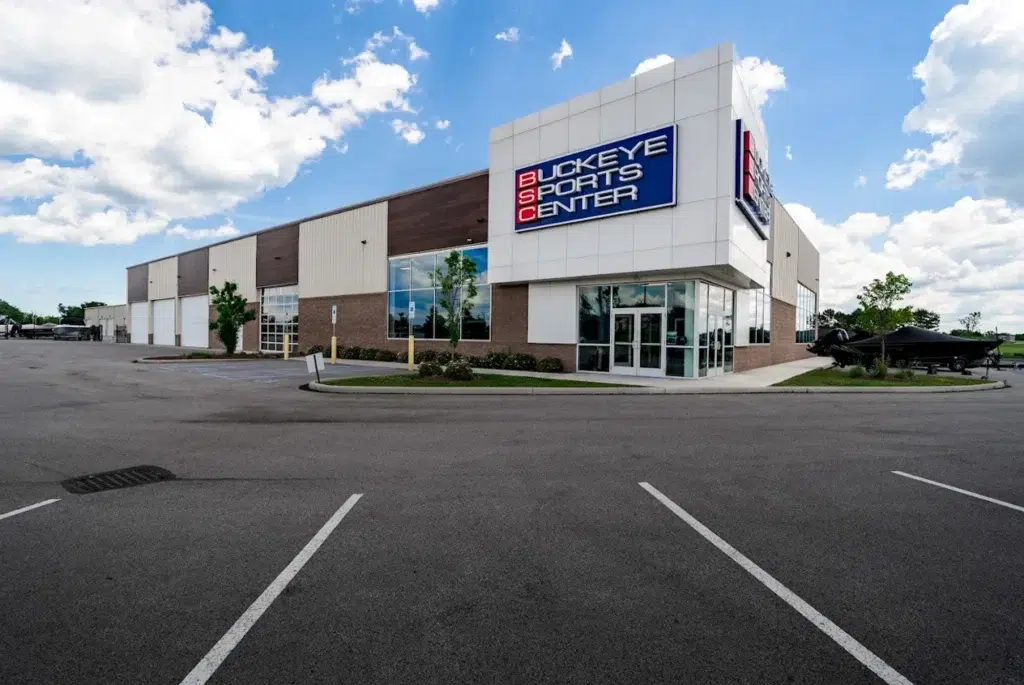
By stepping up to help protect boating access at Lake Mohawk, the dealership demonstrated the very qualities that define an MRAA Certified Dealership: leadership, advocacy, and an unwavering commitment to the boating community. It’s a distinction that signals not only business excellence, but a dedication to strengthening the marine industry for everyone who enjoys life on the water.
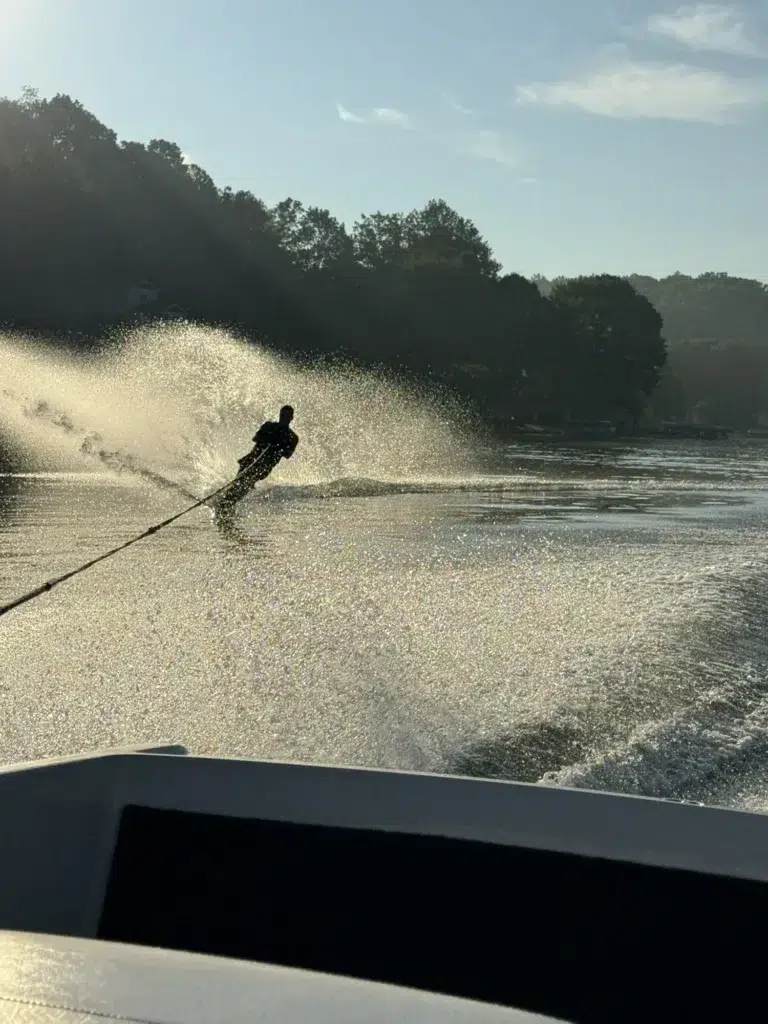
Buckeye Sports Center offered to host a free on-water boating education program for Lake Mohawk residents.
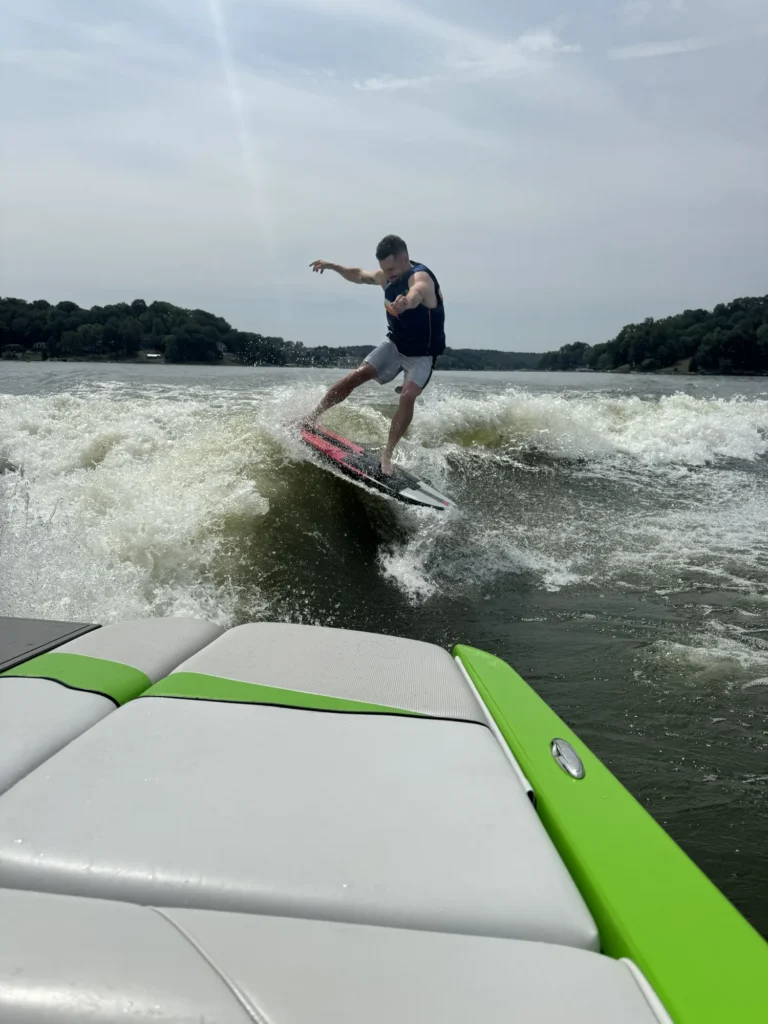
“I figured more people would attend an on-water demo where they could surf or wakeboard than sit in a classroom watching a video,” Steve explained.
The dealership provided the boat, fuel, equipment, staffing, and organization. Participants could experience tow sports firsthand while learning best practices for safe and responsible operation. The goal wasn’t to sell boats, but it was to create safe and informed boaters whose actions dispelled the need for regulations and restrictions.
Taking Education to the Water
The sessions focused on practical, real-world learning where participants learned:
- How modern wake boats operate
- Proper techniques for returning to a fallen rider
- Appropriate locations for surfing and wakeboarding
- Water depth requirements for wake sports
- Safe distances from shorelines, docks, and other structures
- General boating etiquette and lake-specific rules
When participation in the on-water events proved challenging, Buckeye Sports Center worked with the lake community to develop another solution: a boating education video for new property owners. The video combined boating etiquette, local regulations, and lake-specific operating guidance. New boat owners would watch the program and complete a short test before receiving a registration sticker for their vessel.
By teaching new and existing boaters how to operate in a safe, considerate, and respectful manner, Steve began to push away the notions for regulation on Lake Mohawk. The effort by Steve and the rest of the team at Buckeye Marine highlights the important role boat dealers play as stewards of the resource, a responsibility Steve does not take lightly.
The Best Offense Is a Good Defense
There’s an old saying that applies perfectly to waterway access: The best offense is a good defense.
For boating advocates, that defense starts with awareness and education. Every boater who understands proper wake management, shoreline setbacks, noise considerations, navigation rules, and local regulations becomes an ambassador for the boating community.
At Lake Mohawk, Steve found that helping residents understand lake conditions, shoreline considerations, and responsible boating practices reduced hostility and created more productive conversations. The focus shifted from restricting boats to improving boater behavior, and that’s a win for everyone.
Why Dealers Must Lead
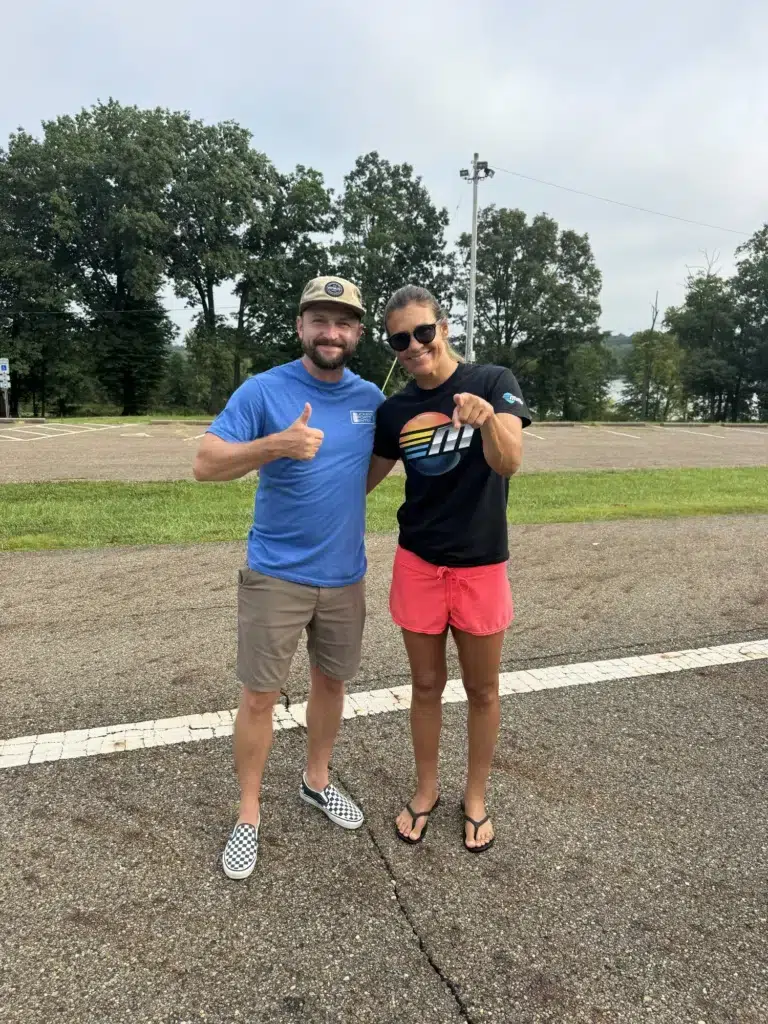
One of Steve’s most important observations is that national organizations alone cannot solve local access challenge and that protecting boating access ultimately happens at the grassroots level. Dealers know their waterways. They know their customers. They understand the local concerns and have relationships within their communities. These are the relationships and tools that can be leveraged by local dealers to ensure that their local
The challenges facing Lake Mohawk are not unique.
Across North America, marine retailers are seeing increased scrutiny of boating activity, particularly surrounding wake sports. As communities grapple with growth, congestion, and competing interests, more waterways will likely face similar conversations.
The question is whether the boating industry will wait for restrictions to be proposed, or help shape the conversation before that happens. Protecting access isn’t somebody else’s responsibility, it’s all of ours.
Should you have any concerns about restrictions on your local lake or in your community please do not hesitate to reach out to the MRAA Government Relations Team with any questions. MRAA Government Relations Staff: Mike Sayre, Director of Government Relations (Sayre@mraa.com), Chad Tokowicz, MRAA Government Relations Manager (Chad@mraa.com).