

By Rob Grant, Associate Director of OEM Business Development, Lightspeed, an MRAA Strategic Partner
For marine dealerships spring brings one of the most intense operational periods of the year. As temperatures rise, boat owners rush to prepare for the season, scheduling maintenance, addressing winter damage and resolving any lingering mechanical issues.
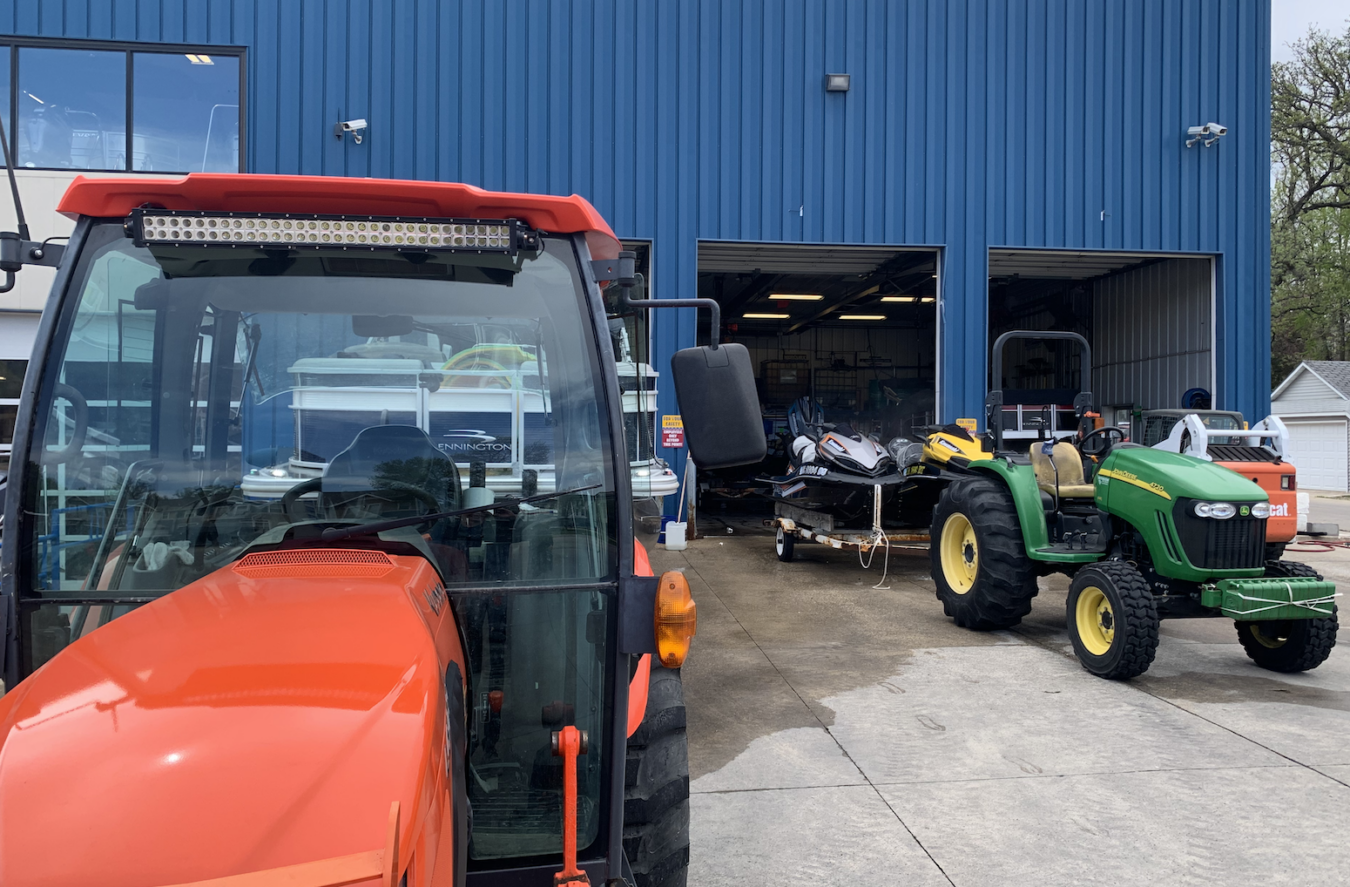
For service departments, this spring surge can quickly create bottlenecks. Boats (and other units) pile up in the yard, technicians become overloaded, part delays slow repairs and customers anxiously wait to get back on the water.
The dealerships that navigate this period successfully are not necessarily the ones with the largest teams; they are the ones with the most organized service operations and the best visibility into their repair workflow. At the center of that visibility is the ability to track repair cycle time, parts availability and service performance in a single system.
Why Repair Cycle Time Matters
One of the most important service performance metrics is Repair Event Cycle Time (RECT), the number of days between when a repair order is opened and when the work is completed.
For customers, cycle time represents the service experience. The longer a boat (or other unit) sits waiting for parts or repairs, the longer that customer is off the water.
For dealerships, long cycle times impact:
- Service department throughput
- Technician productivity
- Yard capacity
- Customer satisfaction
Reducing cycle time allows service teams to complete more repair orders while improving customer experience during the busiest months of the season.
Where Service Bottlenecks Occur
Most service delays occur in three key areas.
- Delayed diagnostics
When incoming boats wait days or weeks before inspection, the entire repair timeline shifts. Best-practice dealerships aim to diagnose service units within 24–48 hours so parts can be ordered immediately. - Parts ordering and availability
Waiting to order parts until after diagnosis often adds significant delays. Tracking parts demand and stocking high-turn service items can dramatically reduce downtime. - Lack of operational visibility
When service, parts and warranty teams operate in separate systems, communication gaps and manual processes slow everything down.
Why a Unified Dealer Management System Matters
This is where a modern Dealer Management System (DMS) becomes critical.
When service, parts, inventory and accounting are managed within a single platform, dealerships gain visibility into the entire repair lifecycle, from write-up to completion.
A unified system allows service managers to track:
- Open repair orders
- Technician productivity
- Parts availability and special orders
- Warranty claim status
Dealer management solutions like Lightspeed DMS bring these operational areas together, helping marine dealerships manage service demand more efficiently during peak seasons.
Using Data to Improve Service Efficiency
The most successful dealerships use data to continuously improve service performance.
Reporting tools allow managers to monitor metrics such as repair cycle time, open repair order aging and technician productivity. For example, RECT reporting tools available through Lightspeed’s Industry Benchmark data provide insights into how long boats spend in each stage of the repair process and where delays are occurring.
This level of visibility helps dealerships identify opportunities to streamline workflows, improve parts stocking strategies and keep service operations moving.
Turning Service Operations into a Competitive Advantage
Spring service demand will always challenge marine dealerships, but the right processes and systems can make the difference between a backlog and a well-run operation.
By prioritizing fast diagnostics, maintaining accurate parts inventory and tracking service performance through a unified DMS, dealerships can reduce repair cycle time and keep boats (and other units) moving through the service department efficiently.
Because in the marine industry, the ultimate goal is simple: keep boaters on the water!
About the Author
Rob Grant brings nearly 30 years of hands-on experience in the marine industry, with a deep understanding of both dealership operations and technology innovation. His career with Lightspeed began in 2000, after spending five years working inside two marine dealerships — both of which used Lightspeed software. That foundational experience on the dealership floor gave Rob an operator’s perspective, one that continues to inform his approach to business development and OEM collaboration to this day.

Throughout his 20+ years at Lightspeed, Rob has become a driving force behind efforts to streamline dealership workflows, improve RECT (Repair Event Cycle Time) and strengthen the connections between dealers, OEMs and technology partners. His work focuses on making dealership operations more efficient, integrated and customer-centric — backed by his strong belief that technology should remove friction, not create it.
Today, as Lightspeed’s Associate Director of OEM Business Development, Rob serves as a trusted advisor and advocate for marine dealerships across North America. He plays a key role in expanding OEM partnerships and developing smarter tools that help dealers better serve their customers. A frequent contributor to industry conversations, Rob is known for blending practical insights with a forward-thinking mindset — always keeping the dealer experience at the heart of his work.
Based in Utah, Rob enjoys boating with his family on nearby lakes and remains deeply committed to the continued growth and evolution of the marine industry.