11 New Standard Partners Join MRAA

MINNEAPOLIS, March 10, 2026 — The Marine Retailers Association of the Americas (MRAA) announced that 11 companies made a commitment to the association as Standard Partners through the end of January. The addition of these companies expands the network of organizations that support the marine industry and the retailers who serve boaters.

MRAA’s Partner Membership Program provides companies across the boating ecosystem with opportunities to connect with marine retailers, support dealership success and contribute to the long-term strength of the industry. Standard Partners participate in MRAA initiatives, benefit from industry insights and contribute to dealer-focused solutions throughout the year.

MRAA Partner Member

January 2026 Standard Partner Members

  • Chester River Consulting: Amarketing and data solutions firm based in Stevensville, Md., CRC has recently extended its expertise to marine. The company, with 20 years of experience in automotive and powersports, specializes in dealer-focused strategies like digital advertising, retention programs and analytics to drive measurable growth in sales, service and customer loyalty.
  • American Boating: American Boating, founded in 2009 and based in Los Angeles, specializes in powerboat training and education through hands-on courses, online classes and industry-recognized certifications. The organization provides best-in-class curricula, experienced instructors and community resources to help boaters build skills and navigate waterways safely and confidently.
  • Drive Outdoors: The Maryland-based marketing technology company focuses on helping dealerships increase sales and service performance. With more than a decade of experience, the company delivers data-driven advertising solutions, marketing automation and transparent reporting to boost lot traffic, inventory turnover and customer engagement.
  • Unishippers: A leading third-party logistics provider headquartered in Dallas, Unishippers offers small package shipping, LTL freight and full truckload services to businesses nationwide. With decades of experience and a network of top carriers, the company focuses on delivering cost-effective shipping solutions, personalized support and technology tools that simplify logistics for growing businesses.
  • E H20 Marine Solutions: E H2O Marine Business Solutions focuses on helping marine dealers improve finance and insurance (F&I) operations through personalized training and best practices. With 20 years of boating industry experience, the Sarasota, Fla., company provides coaching, compliance guidance and process optimization to boost dealer profitability and customer satisfaction. President Estephanie Herrera is on the MRAA Young Leaders Advisory Council (YLAC).
  • Genesis Marine Technologies: Genesis Marine Technologies, based in Fort Lauderdale, Fla., develops advanced electrical systems and smart power solutions for the marine industry. With years of engineering expertise, the company focuses on innovative energy management, lithium battery technology and integrated systems that improve efficiency and reliability for boat builders and owners.
  • Advancy: Headquartered in Paris with offices in major global cities, Advancy is a strategy consulting firm specializing in growth, differentiation and operational excellence. With expertise across sectors like chemicals, life sciences, healthcare and consumer goods, Advancy delivers fact-based strategies and implementation support to create measurable impact for clients worldwide.
  • MarineSource: MarineSource operates an AI-powered online marketplace featuring tens of thousands of boat listings and providing marketing and MLS services for dealers and brokers. With decades of combined experience in marine and technology, the Jacksonville, Florida-based company specializes in connecting buyers and sellers through advanced search tools and dealer-focused solutions.
  • Delv Media: Delv Media, part of Unshackled Management Group, is a digital marketing and business development agency founded in 2011. The company, located in Colorado Springs, Colo., specializes in services like SEO, social media marketing, lead generation and website development, helping businesses bring products to market and improve sales performance.
  • GORIDE Rentals: GORIDE Rentals offers premium boat and watercraft rental services designed for convenience and adventure on the water. Based in Miami, Fla., the company focuses on delivering easy booking, well-maintained vessels and personalized experiences to help customers enjoy boating without ownership hassles.
  • BoatCrazy: Based in St. Louis, Mo., BoatCrazy is an online marketplace that connects boat buyers and sellers nationwide. The platform offers dealer advertising solutions, lead-generation tools and extensive listings to make buying and selling boats simple and cost-effective.

Diverse Expertise Powering Dealer Success

From global strategy firms to digital marketing innovators and marine technology specialists, MRAA’s newest Standard Partners bring a wide range of expertise and solutions to help dealers improve, adapt and flourish.

“These new partnerships bring solutions that help boat dealers become more successful,” said Liz Keener, MRAA Senior Director of Partnerships. “As MRAA Partner Members, these companies are committed to addressing dealer pain points — offering implementable products, programs and solutions — and strengthening the resources that drive growth.”

Additionally, dealer members are encouraged to explore the list of companies that actively support the MRAA across five partnership levels. View the complete list.


About the Marine Retailers Association of the Americas (MRAA)
The Marine Retailers Association of the Americas is the trusted catalyst for success in the marine retail industry. Dedicated to fueling dealer growth and strengthening the boating experience, MRAA delivers industry-leading insights, expert guidance and proven solutions that assist marine retailers in navigating challenges and seizing opportunities. Through education, advocacy and innovative resources, MRAA empowers dealers to thrive, and help drive a stronger more sustainable marine industry. Learn more at MRAA.com.
Ipsos Research Highlights Boater Trends, Market Growth Opportunities

• Advisory Group commissions study to help manufacturers, dealers and Discover Boating target growth audiences and convert interest into ownership

The National Marine Manufacturers Association (NMMA) and Marine Retailers Association of the Americas (MRAA), today released new consumer research conducted to inform the Market Expansion Advisory Group’s work to accelerate long-term boating growth. Leading global research firm, Ipsos, was commissioned by the Advisory Group to provide a better understanding of today’s boaters, identify the industry’s highest potential growth audiences, and create a roadmap for growing participation in a changing market.

The research combines qualitative interviews with industry leaders and quantitative research among current boat owners, including recent buyers, as well as prospective owners, to answer a critical question facing the industry: how do we grow the boating market in a changing consumer landscape?

Ipsos Research on Boater Trends and Market Growth Opportunities
Image provided by Discover Boating

“At a time when consumer decision-making is changing, the Ipsos research gives the industry a shared, data-backed understanding of how consumers are discovering, evaluating and engaging with boating,” said Ellen Bradley, senior vice president and chief brand officer for NMMA. “It moves us beyond assumptions and provides a clear foundation for how Discover Boating, manufacturers and dealers must work together to attract more people to boating and convert interest into participation in a meaningful and sustainable way.”

A More Segmented Boating Market

To grow the boating market, the industry needs a clear understanding of both current boat owners and future buyers. Ipsos identified six distinct groups within these audiences: Established Owners, Recent Buyers, Time-Pressed, Cost-Conscious, Inexperienced and Sales-Ready. Understanding their unique needs and motivations helps the industry better support people as they explore and move toward boat ownership.

Current Owners

  • Established Owners (purchased their main boat prior to 2020)
  • Recent Buyers (purchased their main boat after 2020)

When comparing the profiles of Established Owners (pre-2020) and Recent Buyers (post-2020), there are critical shifts. Recent Buyers in this survey skew more diverse and with a higher net income more affluent than Established Owners and are more likely to have entered boating through charters, rentals and adjacent outdoor activities. These buyers boat more frequently and are motivated by both relaxation and adventure, yet face barriers including time constraints, operator stress and weather unpredictability.

Their path to purchase is increasingly digital-first and self-directed, shaped by YouTube, social media, creator influence, online reviews, and manufacturer and dealer websites. However, trust still hinges on people. Dealers remain critical for credibility, transparent pricing and relationship-building. This means boat shows have an opportunity to evolve from transactional “deal floors” into experiential learning environments that build enthusiasm, education and long-term engagement.

Prospective Owners

Prospective Owners (surveyed consumers who self-identify as being at least 50% or more likely to purchase a boat in the future) represent an estimated 35 million high-potential new buyers^. Across this audience, three realities define the opportunity: cost barriers, complexity and an evolved purchase journey.

Transparency around costs, accessible financing and simple entry points into boating can significantly increase consumer confidence. Many prospective buyers see boating as complex or intimidating due to limited knowledge and logistical concerns. The industry can address these challenges through practical education, structured onboarding and sustained support throughout the ownership journey.

These Prospective Owners make purchasing decisions through a combination of personal trust and digital content influence. Top influences include friends and family, YouTube, social media and manufacturers, with dealers remaining pivotal for reputation and trustworthiness, reinforcing the need to modernize digitally without losing human relationship-building.

Top of the Funnel: Inspiration and demystification from Discover Boating
  • Time-Pressed (20%): concerned about having enough time to use the boat; seeking a near-term lifestyle solution.
    • Actionable implication: emphasize convenience, quick start via clubs or rentals and clear upgrade paths.
  • Cost-Conscious (18%): motivated but budget constrained.
    • Actionable implication: offer used or refurbished tiers, flexible financing information, Total Cost of Ownership tools and access-first pathways.
Middle of the Funnel: Concrete information and hands-on experiences from Discover Boating, dealers and manufacturers alike
  • Inexperienced (23%): have the means but need more experience, support and knowledge.
    • Actionable implication: deploy learning content, demos, skills clinics and trusted advisors.
Bottom of the Funnel: Ready for meetings with dealers or manufacturers
  • Sales-Ready (19%): fewest barriers, ready to have a sales conversation.
    • Actionable implication: prioritize speed, inventory certainty, transparent pricing and trade and finance simplicity.

The research underscores that sustained growth comes from sparking interest in boating as a rewarding lifestyle and meeting consumers where they are, with tailored outreach, relevant messaging and accessible experiences that align with distinct audience segments, rather than a broad, one-size-fits-all marketing approach.

Exposure and Access Drive Future Ownership

A key finding of the research is that exposure to water and boating-adjacent activities strongly correlates with future boat ownership. Consumers who participate in rentals, clubs, charters or social boating experiences are significantly more likely to consider owning a boat over time. Ipsos found that alternative access models are not replacing ownership but instead serve as important entry points, particularly for surveyed younger, time-constrained and cost-conscious consumers, helping build confidence, familiarity and long-term interest in boating.

Why This Research Matters Now

Economic uncertainty, generational shifts, changing definitions of ownership, increased competition from other discretionary leisure experiences, and increased digital influence are reshaping how consumers evaluate major lifestyle purchases. This research provides the industry with a shared fact base and a common framework to adapt, enabling more efficient marketing, higher-quality leads and sustainable growth.

Education is Key

For more detailed information on the new consumer research, visit the Discover Boating Industry Resource Center. You will find an executive summary, presentation slides and recorded webinar.

Additionally, the full Ipsos Research Member and Industry Handbook is available upon request. Email consumerinsights@discoverboating.com to request access.

Furthermore, for questions or information, please contact NMMA’s Maggie Maskery at mmaskery@nmma.org.


^Sizing was estimated using survey data and an assumed population number of 266,978,268 per 2024 census.

Please note: All insights collected reflect opinions of our surveyed Boat Owners and Prospective Owners only; Methodology: Quantitative Survey Fielded August 22, 2025 through September 12, 2025; N=500 Boat Owners, N= 500 Lapsed Owners, N=500 Prospective Owners; Boat Owners and Lapsed Owners defined as own (or used to own) and consider primary vessel a motorized/power boat or sailboat; Prospective Owners defined as 50% or more likely to purchase a motorized/power boat or sailboat in the future and not a current or lapsed owner. Survey tool and details on analytics available upon request.

NOAA Signals Potential Shift on Right Whale Speed Rules — What It Means for Marine Retailers

By Chad Tokowicz, MRAA Government Relations Manager

The National Marine Fisheries Service (NMFS), part of the National Oceanic and Atmospheric Administration (NOAA), has taken an important first step toward reexamining federal vessel regulations intended to protect the endangered North Atlantic Right Whale, and this development has meaningful implications for the recreational boating industry and marine retailers.

On March 4, 2026, NOAA issued an Advance Notice of Proposed Rulemaking (ANPRM) announcing it is considering changes to the existing North Atlantic Right Whale Vessel Speed Rule. To view the ANPRM, click here. NOAA is seeking input from the public on a variety of topics related to the existing Vessel Strike Reduction rule, from the effectiveness of technology as a means to reduce vessel strikes, vessel-size-specific risk assessments, and the economic impact on industry.

For marine retailers and the broader recreational boating industry, this is a critical opportunity to help shape smarter, more effective policy that protects the North Atlantic Right Whale while preserving safe access to boaters and anglers on the Atlantic Coast.

Why This NOAA Action Matters

With this request for public input, NOAA explicitly acknowledges that the existing speed rule may impose unnecessary economic and operational burdens and questions whether modernized, technology-based approaches could provide equal or better conservation outcomes.

Among the ideas NOAA is exploring are real-time, technology-driven whale detection and alerts instead of fixed seasonal speed zones; greater reliance on Dynamic Management Areas (also known as Slow Zones) that are activated only when whales are detected; better differentiation between vessel types and sizes, including recreational boats versus large commercial ships; improved safety flexibility for vessel operators when slowing to 10 knots may pose risks in rough weather or open-ocean conditions; and a closer look at the economic impacts of speed restrictions on small businesses, including marine retailers.

NOAA’s current request for input closely mirrors many of the principles MRAA has advocated for in prior comments, coalition letters, and agency engagement. This is a huge opportunity for the MRAA, our members, and the recreational boating industry at large to make lasting changes to this important law, protecting recreational boating access while advancing conservation measures and efficacy for the North Atlantic Right Whale.

What happens next

The public comment period will remain open until June 2, 2026, but is only the first step in the rule making process. Throughout that process, the MRAA will continue to provide updates to keep you in the loop, aware and engaged on any additional opportunities to provide input.

MRAA advocacy session

Connect with MRAA Advocacy

Should you have any questions, please do not hesitate to reach out to the MRAA Government Relations Team by clicking here.

Looking Back

Additionally, to see some of the MRAA Advocacy team’s engagement and involvement on this issue, click the links below:

Inventory Strategy & the Used Boat Advantage: A Data-Driven Playbook for Dealers

By Courtney Chalmers, Chief Brand & Communications Officer at Boats Group, an MRAA Strategic Partner

For many marine dealers, used boats have traditionally been treated as opportunistic inventory – boats that arrive through trade-ins or brokerage agreements and are sold alongside new inventory.

But today’s market is changing that equation.

Economic conditions, shifting buyer behavior, and the growing availability of late-model boats entering the resale market are reshaping the role of pre-owned inventory. For many dealerships, used boats are becoming one of the most strategic opportunities to attract buyers, maintain sales momentum, and build long-term customer relationships.

Across major boating marketplaces, 67% of boat purchases are now pre-owned, highlighting just how central the used segment has become in the buyer journey.

At the same time, buyers now have more visibility into inventory and pricing than ever before. They compare listings across regions, track price changes, and research extensively before ever contacting a dealer.

For marine retailers, the opportunity is clear—but capturing it requires more than simply having used boats on the lot. Dealers who move the most inventory are increasingly those who approach used boats with a deliberate strategy built on market data, pricing discipline, and strong digital merchandising.

Start With Demand — Not Just Trade-Ins

Many dealerships acquire used inventory reactively: a trade-in comes in, or a brokerage opportunity appears, and the boat is added to the listing pipeline.

The most successful dealers and brokers take a more proactive approach by starting with market demand.

Data from online marketplaces and industry reporting shows that buyer interest remains strong, but shoppers are taking more time to research and compare listings before making decisions. At the same time, many boats purchased during the pandemic-era surge in boating are now entering the resale market, creating a growing supply of late-model inventory.

This combination of active demand and expanding supply creates opportunity – but only if dealers know which boats buyers are actively searching for.

Market data can reveal:

  • Which boat categories are attracting the most buyer interest

  • Where inventory shortages exist geographically

  • Which models are selling quickly

  • How prices vary by region and boat type

Using these insights, dealers can start targeting the boats most likely to sell quickly rather than relying solely on whatever trade-ins arrive at the dealership.

Price Strategically From Day One

In many cases, this means the online listing becomes the first interaction between a buyer and a dealership.

Another major shift in today’s market is geography.

Online marketplaces allow buyers to shop far beyond their local market. A buyer in the Midwest may purchase a center console located in Florida, while a Great Lakes buyer may find the right cruiser along the Gulf Coast.

This means dealers are no longer limited to local demand, but they are also competing with inventory from across the country.

Understanding regional supply and demand patterns can help dealers identify where certain boat types are undersupplied and where pricing strength exists. Dealers who recognize these patterns can:

  • Market boats in regions where demand is strongest

  • Price inventory more strategically

  • Reach buyers who might never visit the dealership in person

In a national marketplace, data-driven visibility into demand can significantly expand a dealer’s potential buyer pool.

Use Data to Guide the Entire Strategy

The common thread across all of these strategies is information.

Modern marine marketplaces generate enormous amounts of data about buyer behavior, pricing trends, and inventory performance. For dealers, access to that information can provide a significant competitive advantage.

Many dealers already have access to these types of insights through the platforms where they list their boats. Boats Group, for example, provides its marketplace members with market intelligence tools that show supply and demand trends, pricing benchmarks, and buyer engagement signals.

When used effectively, this type of data can help dealers:

  • Identify high-demand boats to acquire

  • Price inventory more accurately

  • Understand where buyer interest is strongest

  • Improve listing performance

Inventory
Courtney Chalmers

How AIMIE Can Help You Manage Your Inventory — Prompting to Get Better AI Results

You don’t just call up a pizza joint and ask, “Can you help me order a pizza?” That might be fun to try one time to capture their response, but it’s better to have some details ready about your favorite order. Having been trained on pizza ingredients, pizza making and working with customers, chances are, with the right amount of context they can create your favorite pizza for you. Therefore, without structure, you could end up with some random sausage pizza loaded with anchovies and sauerkraut — something less desirable.  

AIMIE — A ‘Marine Industry Specialist’

As MRAA Silver and Gold Members, you have access to AIMIE, the MRAA’s AI-powered chatbot trained on our extensive content and educational knowledge. Much like a purveyor of fine pizzas, AIMIE (AI for Marine Industry Education) can perform like the skilled marine-industry content creator she is when given better information. Furthermore, she can access courses, blogs, webinars and the website to answer questions and generate content, while serving up helpful links to referenced resources.

Specifically, you can ask AIMIE for recommendations on key topics — from customer experience to employee development to inventory management and more. However, before you ask her for a recommendation or to write you a social post (which she can do an amazing job), remember that the more specific your prompt is, the more precise and helpful she can be.

Additionally, don’t only use AIMIE like a search engine. In contrast, focus on including your context, goal and audience within your question. See more on the prompt formula here.

Let’s look at an example prompt from real AIMIE users, our MRAA Members.

Actual AIMIE prompt:

“How do I manage my inventory?”

While this quick prompt will produced fast ideas, adding more structure and more context to your prompts (questions) to AIMIE will help her understand your needs and your dealership better before she responds. Let’s take a look at improving a prompt below in two ways.

Context + Outcome AIMIE Prompt:

“I manage boat inventory for a marine dealership in Florida. Outline a simple 30/60/90-day approach to improve cash flow and inventory turns while reducing aged new units and protecting margin. Ask me for any missing context first.”

This improved prompt adds goals and give AIMIE permission to ask for missing inputs.


Operational Playbook AIMIE Prompt:

“I manage boat inventory for a marine dealership in Florida. You are AIMIE, my marine retail advisor. Build a 30/60/90-day inventory management plan to improve cash flow and inventory turns, reduce aging units on hand and retain margin where we can, while specifically attacking aged new fiberglass units and launching a new pontoon brand.”

  1. What success looks like (next 90 days)
    • Primary goal (choose/describe): cash flow / margin / turns / market share / all of the above.
    • Aged fiberglass definition (new inventory only): new fiberglass units aged ____+ days since receipt into inventory. (Pre-owned/used units excluded from aged-inventory goals.)
    • Target outcome by day 90:
      • Reduce aged fiberglass from ____ units to ____ units (or ____%).Total inventory turns target: ____ (or: improve from ____ to ____). (Inventory turns target refers to annualized turns, measured on a rolling 12‑month basis.)
    • (Note: Pre-owned fiberglass inventory is provided for context and forecasting only and is not included in the aged fiberglass reduction strategy. Do not recommend pricing, marketing, exit, or margin tactics for used fiberglass unless explicitly requested.)
  2. Inventory snapshot (today)
    • Provide counts (and if possible, dollars) by these buckets:
      • New Fiberglass (insert existing brands)
        • 0–90: __ units
        • 91–180: __ units
        • 181–270: __ units
        • 271–365: __ units
        • 365+: __ units
      • Used Fiberglass
        • 0–90: __ units
        • 91–180: __ units
        • 181–270: __ units
        • 271–365: __ units
        • 365+: __ units
      • Pontoons (insert existing brands)
        • Total units: __
        • Aged definition / aging breakdown (if relevant): __
      • New Pontoon Brand
        • Units on hand today: __
        • Arrivals next 30/60/90 days (units + timing): __
        • (New pontoon brand should be treated as a launch-phase product with different margin, aging and KPI expectations than existing pontoon brands.)
        • Any model/price points we’re emphasizing: __
  3. Selling season & forecast reality
    • Our top 3 selling months: __, __, __
    • Our slowest 3 months: __, __, __
    • Realistic retail forecast (units) for next 90 days:
    • New fiberglass: __
    • Used fiberglass: __
    • Pontoons (existing): __
    • New pontoon brand: __
  4. Margin + pricing constraints
    • Current average gross margin (or target):
      • New fiberglass: __%
      • Used fiberglass: __%
      • Pontoons: __%
    • For aged fiberglass, our minimum acceptable margin is: % or $
    • Prioritize marketing, follow-up discipline, and value-add offers before recommending price reductions on aged new fiberglass.
    • If we go below that, our preferred alternative exit is (choose): wholesale / auction / trade-assist / dealer-to-dealer / other:
    • Alternative exit strategies should only be recommended after margin guardrails and value-add options have been evaluated.
  5. Floorplan / cash-flow pressure
    • Floorplan interest rate (approx.): __%
    • Curtailments/step-ups by age (if any):
    • % of inventory floorplanned vs owned: __% / __%
    • (Note: Inventory aging is based on days since receipt into inventory, which may not align exactly with floorplan curtailment timing.)
  6. Floorplan / cash-flow pressure
    • Lead sources that matter most: website / OEM leads / boat shows / referrals / other: _
      • Lead response time: Goal: _ minutes
      • Actual: __ minutes/hours
    • Do we set appointments from internet leads? yes/no
    • If yes: est. appointment set rate __%, show rate __%, close rate __%
    • Biggest sales bottleneck right now (choose): lead volume / response time / appointment setting / closing / trade values / price resistance / financing / other:
    • Address identified sales-process constraints before recommending margin concessions or price reductions.
  7. Deliverables I want from you
    1. Before you give me the plan, ask if any inputs above are missing, ask me the minimum necessary follow-up questions, then proceed with the best-available plan and mark assumptions clearly.
    2. A 30/60/90-day plan with:
      • Weekly cadence (what we review every week)(Weekly cadence should focus on action-driving metrics and decisions, not reporting volume.)KPIs (forecast vs actual, aging, turns, gross margin, and any floorplan-interest awareness)
      • Clear “owner” per action (GM / Sales Mgr. / Inventory Mgr. / Marketing / F&I)
    3. A specific aged fiberglass attack strategy that prioritizes:
      • Marketing + closing ratio improvements before margin giveaways
      • Value-add options before discounting (where possible)
      • Fast lead response and follow-up discipline
    4. A new pontoon brand launch plan that:
      • Protects margin where possible (don’t race to the bottom)
      • Still generates immediate leads and unit movement
      • Includes simple sales tools (walkaround videos and/or video responses to leads)

Why a Detailed Prompt works (for a GM)

AIMIE (A.I. for marine industry education)

According to AIMIE,it forces your dealership to provide the same ingredients emphasized in inventory-turn education from David Parker (Parker Business Planning, a Dealer Week Educator and subject matter expert): building a realistic forecast by category/month and then tracking actual performance to inform inventory decisions — plus reinforcing “back to basics” selling discipline to lift closing ratio and moves aged/non-current units.

Your AI Companion and MRAA Contact

AIMIE can act as one of your contacts at the MRAA. View her as content delivery assistant who can help you be more efficient, gain knowledge and guide your teammates and dealership to new levels. Moreover, you can continue to use her for writing job descriptions and social posts. Similarly, we encourage you to think deeper and to add more context so AIMIE can deliver the goods when and how you need it.

Additionally, should you need assistance while working with AIMIE, need prompt assistance or have trouble accessing an MRAA resource, please reach out to the MRAA Member Success Team. We are devoted to helping you find the education, resources and outcome you seek. Meanwhile, when it comes to ordering pizza, though, we’ll leave that to you!

Lastly, feel free to try your own prompts, too. Just ASK AIMIE!
Note: AIMIE and Copilot were used for prompting, generation and proofing of this article.


About the Author


Jerrod Kelley, MRAA Content Manager

Jerrod Kelley, MRAA Content Manager, supports boat dealers through practical storytelling, best practices, case studies, video content and industry education resources.
Kelley brings a deep background in journalism, editing, writing, public relations and publishing, with experience spanning magazine editorial leadership, freelance writing, television co-hosting and brand communications. Notably, prior to joining MRAA, he spent more than a decade in media. Also, he served as a public relations consultant supporting national powersports brands.
Recently, Kelley earned his Association AI Professional Certification, reflecting his focus on responsible AI use, content governance and knowledge management within associations. He is based in Minnesota and can be reached at 763-402-7230 or jerrod@mraa.com.


Leaders Prepare for Inaugural MRAA Industry Summit, April 6–8, 2026 

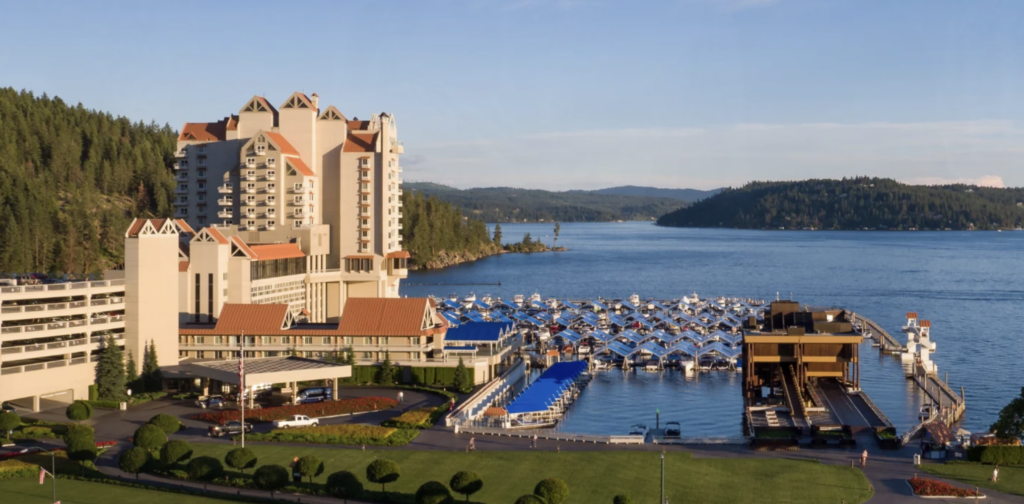
MINNEAPOLIS, Mar. 6, 2026 — This April, the Marine Retailers Association of the Americas (MRAA) will bring together top industry leaders for the inaugural MRAA Industry Summit, an exclusive, invitation‑only gathering taking place April 6–8, 2026, at the Coeur d’Alene Resort in Coeur d’Alene, Idaho. Designed for high‑level discussion and strategic alignment, the Summit arrives at a pivotal moment for the recreational boating industry.

Photo courtesy of Coeur d’Alene Resort.

The marine industry is experiencing rapid change, from evolving consumer expectations to tightening market pressures, technology shifts, and growing operational complexity. The MRAA Industry Summit is intentionally built to create a structured environment where leaders can challenge long‑held assumptions, examine the forces reshaping the industry, and collaborate on the models needed to strengthen long‑term industry health.

“There is never a ‘perfect time’ in our industry to step away and address the future — which is exactly why we must do it now. The MRAA Industry Summit is designed to bring the right people into the room for the conversations that matter most,” said Matt Gruhn, MRAA President. “Together, we’ll explore the challenges and opportunities shaping marine retail and build the clarity and alignment our industry needs moving forward.”

A Program Designed for Strategic Insight 

Over three days, the Summit will engage participants in facilitated discussions centered on the industry’s most pressing topics, including:

  • Closing the price‑transparency gap
  • Preparing dealerships and manufacturers for an AI‑driven operational future
  • Leading innovation and managing organizational change
  • Addressing economic and structural pressures across the marine ecosystem

The format is crafted to promote candid dialogue, collaborative discovery, and actionable shared direction between key influencers across marine manufacturing and retail.

Focused on Strengthening the Marine Retail Ecosystem 

Although exclusive to invited participants, the purpose of the Summit extends across the entire marine retail network. By uniting leaders to evaluate emerging challenges and opportunities, the event reinforces MRAA’s mission to advance a stronger, more aligned marine industry — one where dealers have the support, stability, and forward‑thinking environment needed to evolve. 

Event Details 

Dates: April 6–8, 2026 
Location: The Coeur d’Alene Resort, Coeur d’Alene, Idaho 
Audience: Exclusive, invitation‑only group of marine industry leaders 
Purpose: Strategic collaboration and industry‑wide future‑planning 

About the Marine Retailers Association of the Americas (MRAA)

The Marine Retailers Association of the Americas is the trusted catalyst for success in the marine retail industry. Dedicated to fueling dealer growth and strengthening the boating experience, MRAA delivers industry-leading insights, expert guidance and proven solutions that assist marine retailers in navigating challenges and seizing opportunities. Through education, advocacy and innovative resources, MRAA empowers dealers to thrive, and help drive a stronger more sustainable marine industry. Learn more at MRAA.com.

Inventory Strategy & the Pre-Owned Boat Advantage: Turning Visibility into Profitability

By Rob Grant, Associate Director of OEM Business Development, Lightspeed, an MRAA Strategic Partner

The marine industry has always required balance between optimism and discipline, growth and cash flow, new and used inventory. But in today’s environment of margin pressure, fluctuating demand, and rising carrying costs, inventory strategy has become one of the most critical leadership functions inside a dealership.

Pre-owned boats, in particular, present a significant opportunity but only for dealers who manage them intentionally.


The New Standard for Inventory Strategy

Inventory today is no longer just about what’s on the lot. It’s about performance.


Leadership teams must continuously evaluate:

  • Turn rates by segment and price range
  • Aging thresholds and carrying cost exposure
  • Gross margin trends by model and condition
  • The impact of floorplan interest on true profitability

Dealers who rely on instinct alone often discover problems too late — when units have already aged beyond peak selling windows.


Modern dealerships instead rely on centralized inventory management systems that provide real-time visibility into unit status, aging, and financial impact. Within platforms like Lightspeed DMS, inventory reporting allows dealers to monitor aging units daily rather than monthly, enabling proactive pricing decisions before margin erosion begins.


The shift from reactive review to real-time oversight is where strategy begins.

Pre-owned units and trade-ins carry variability that demands disciplined tracking across total inventory, or these margins erode quickly.


Pre-Owned Boats as a Margin Lever

Used boats offer flexibility that new inventory often cannot:

  • Higher margin potential
  • More negotiable acquisition costs
  • Broader entry points for first-time buyers
  • Strong trade-in and upgrade pathways

However, used inventory also carries variability in condition, reconditioning costs, and time-to-sale. Without structured tracking, those variables can dilute profitability.


Integrated reporting tools such as gross profit analysis by unit, historical turn reports, and customizable inventory aging reports help dealers identify which pre-owned categories are outperforming and which are tying up capital.


Rather than asking, “Is this selling?” dealers can ask, “Is this performing at our target margin and turn rate?”
That’s a strategic difference.


From Reactive to Proactive Management

The most successful dealerships have moved beyond month-end inventory reviews. They leverage real-time inventory management tools that integrate:

  • Sales activity
  • Trade-in values
  • Reconditioning costs
  • Floorplan data
  • Accounting impact

When inventory, accounting, and sales data live in the same system as they do within a unified DMS environment, leadership gains a complete picture of a unit’s lifecycle.


For example:

  • Tracking total cost basis including reconditioning
  • Identifying aging alerts at predefined benchmarks (30/60/90 days)
  • Monitoring model-specific sell-through trends
  • Adjusting pricing based on real historical performance, not market speculation

Technology doesn’t replace leadership judgment, it sharpens it.


Connecting Inventory Strategy to Customer Lifecycle

Pre-owned boat advantage isn’t only about what you stock, it’s about who you connect it to.


Dealers who integrate CRM insights with inventory data gain a powerful edge. When customer purchase history, service records, and upgrade cycles are visible within the same system as inventory, opportunities surface faster.

Within Lightspeed’s integrated CRM and DMS environment, dealers can:

  • Identify customers approaching typical upgrade intervals
  • Target marketing campaigns toward buyers within specific price range
  • Track which inventory segments generate the most engagement
  • Align follow-up activity with actual available used inventory

This transforms used boats from passive listings into actively marketed opportunities.


Protecting Cash Flow in a Seasonal Market

Seasonality magnifies inventory risk in marine retail. A used boat carried beyond peak season can accumulate interest expense, storage costs, and declining buyer demand.


Strong inventory strategy includes:

  • Defined aging policies
  • Regular inventory performance reporting
  • Clear visibility into floorplan costs
  • Data-driven markdown timing

Financial reporting tools within a modern DMS help leadership teams evaluate the true carrying cost of each unit, not just its listing price.


The result is more confident decision-making:

  • When to hold margin
  • When to incentivize movement
  • When to rebalance acquisition strategy

Inventory becomes measured capital deployment, not hopeful forecasting.

The Pre-Owned Boat Advantage in 2026 and Beyond

The dealerships that will thrive are not necessarily those with the most inventory but those with the clearest visibility into performance.


They operate with:

  • Real-time inventory reporting
  • Integrated financial oversight
  • Defined aging benchmarks
  • CRM: a holistic view of customers and prospects
  • Clear alignment between sales, service, and accounting

Pre-owned boats represent a powerful strategic asset. But the advantage isn’t automatic, it’s operational. And it’s built on systems that provide clarity across the entire dealership.


When inventory data, financial reporting, and customer lifecycle insights operate in one environment, such as a unified Dealer Management System, leadership teams gain the transparency required to turn volatility into opportunity.


Not more inventory.


Smarter inventory.


About the Author

Rob Grant brings nearly 30 years of hands-on experience in the marine industry, with a deep understanding of both dealership operations and technology innovation. His career with Lightspeed began in 2000, after spending five years working inside two marine dealerships — both of which used Lightspeed software. That foundational experience on the dealership floor gave Rob an operator’s perspective, one that continues to inform his approach to business development and OEM collaboration to this day.

Inventory Pre-Owned Boats
Rob Grant, Lightspeed

Throughout his 20+ years at Lightspeed, Rob has become a driving force behind efforts to streamline dealership workflows, improve RECT (Repair Event Cycle Time), and strengthen the connections between dealers, OEMs, and technology partners. His work focuses on making dealership operations more efficient, integrated, and customer-centric — backed by his strong belief that technology should remove friction, not create it.
Today, as Lightspeed’s Associate Director of OEM Business Development, Rob serves as a trusted advisor and advocate for marine dealerships across North America. He plays a key role in expanding OEM partnerships and developing smarter tools that help dealers better serve their customers. A frequent contributor to industry conversations, Rob is known for blending practical insights with a forward-thinking mindset — always keeping the dealer experience at the heart of his work.
Based in Utah, Rob enjoys boating with his family on nearby lakes and remains deeply committed to the continued growth and evolution of the marine industry.

Why Better Questions Get Better Answers from AIMIE

Use AIMIE Like an In-House MRAA Teammate, Not Just a Search Engine: Share Context, Goal(s) and Audience

In all honestly, I’m writing this to help our MRAA Members find greater success when using AIMIE our AI-powered Chatbot. Currently, members ask AIMIE basic questions that lack the proper depth. I’m not saying this to critique anyone. Instead, the following copy and PDF were created to help you improve your AI repertoire. Afterall, better questions (and better “prompt directions”) get better answers.

Let me put it this way: Imagine if you walked into your Service Department and hollered out a question that lacked any sort of context. You just blurt out something like, “Hey, can you help me fix the wake boat?” and walk out. Hearing you, there’s no doubt a savvy service team would make every attempt to figure out which boat you’re talking about and some might even deliver regardless of your vague instructions. However, lacking the necessary details and specific information, your team is left to guess, hoping they can appease you and meet the needs of the customer.

A good approach would be to provide them with more context up front so they know who is responsible, what boat is involved and whose it is, what’s the desired outcome and how to go about it. If you came through the door with that information — never mind not following proper process here — they have a greater chance of satisfying your needs and that of your customer.

Prompt & Circumstance

I hope by the end of this helpful article, you feel as though you can flip your tassel from the right to the left of your cap and hear a faint bit of Sir Edward Elgar’s “graduation song” playing in the background.

AIMIE chatbot from MRAA

AIMIE (AI for Marine Industry Education) can respond to simple prompts, but she can truly deliver when she has more context, more details about your needs and desired outcome. If you ask AIMIE to “write me a job description for a gas dock attendant,” chances are she will do it (Note: She has also been trained on MRAA’s Gas Dock Attendant job description). However, if you include more details about the position, your dealership, its location, size and ideal roles and responsibilities for this position, AIMIE will know more about your dealership’s needs, this specific role and produce a more customized result.

Exploratory Prompt to AIMIE:

To help you understand how your prompting can lead to stronger results and more success for your team, I pulled a recent real-use question from a dealer member and asked AIMIE to improve it.

Interview Questions Prompt

Original prompt: “What are 5 interview questions to ask a service advisor?”

AIMIE’s Revised Prompt

“Give me 8 interview questions for hiring a marine dealership Service Advisor/Service Writer, focused on: customer communication, estimating and approvals, handling upset customers, upselling service ethically, technician coordination and follow-up. For each question, include: what a strong answer includes, red flags and a simple 1–5 scoring rubric.”

Why this works: AIMIE’s revision transitions the inquiry that will produce service-level interview questions to helping a dealership evaluate real dealership behaviors. Adding context improved the prompt and gave AIMIE a better idea of success. You go beyond generating a list of questions by creating support for your decision-making needs. Adding details and structure to your questions leads to stronger results.

Grab A PDF with More Prompts for AIMIE

Since AIMIE officially launched in January of 2024, she has helped 1,422 users and had more than 6,500 conversations. We’ve created a PDF with some revised prompts for you to use, complete with AIMIE’s guidance for building a more structured prompt. You can always add more context to your prompts but these sample offer you a better place to start.


You’re Not Late, When You Prompt Better

By using AIMIE, you’ve taken action to integrate AI into your workspace. You don’t have to be a prompt engineer to get better results with AIMIE (or any AI LLM for that matter), but by providing more context and a structured prompt, you’re training her and offering more clarity so she can help you by supplying you with a better outcome. In the long run, she can help you become more efficient and allow you to focus on customer follow-up and other critical human-led initiatives.

Never tried AIMIE? Today’s the day to meet my AI coworker.


Note: This blog used AIMIE and Copilot to brainstorm, outline and edit the content.

Marine Connection Earns Inaugural Dealership Experiential Marketing Honor

MRAA Certified Dealer Wins 2 Neptune Awards

MINNEAPOLIS (Feb. 24, 2026) — MRAA Certified Dealer Marine Connection is the inaugural recipient of the Dealership Experiential Marketing Award for its launch of Aiata Boats into the North American market at the Fort Lauderdale International Boat Show. The dealership also earned the 2026 Neptune Award for Best Website.

Marine Connection Neptune Award 2026
From left: Marine Connection’s Jani Gyllenberg, who also serves on the MRAA’s Dealership of the Future Task Force, and Freya Olsen of the MRAA attended the Discover Boating Miami International Boat Show in Florida.

The awards were presented during the 2026 Neptune Awards, hosted by the Marine Marketers of America (MMA). The ceremony took place at the Discover Boating Miami International Boat Show, one of the industry’s most anticipated gatherings of marine marketing professionals.

The MRAA and MMA, in partnership, created the Dealership Experiential Marketing Award to recognize dealerships that deliver in‑person experiences engaging customers and deepening their connection to both the dealership and the boating lifestyle.

Marine Connection’s winning experiential submission focused on the introduction of Aiata Boats to the U.S. market at the Fort Lauderdale International Boat Show. Rather than approaching the show solely as a sales opportunity, the dealership centered the activation on helping customers experience the brand’s craftsmanship, design philosophy and positioning firsthand.

Elevating the Full Journey

“Winning the inaugural Dealership Experiential Neptune Award is an amazing honor, and we’re genuinely grateful. To us, it represents something bigger than recognition — it signals that our industry is elevating the full journey, where online and in-person experiences reinforce one another and feel seamless as one,” said Jani Gyllenberg, Innovation & Business Development Manager. “That’s what makes the Neptune Awards so special; it’s not just applause — it’s momentum. It’s proof our industry is evolving fast, and I’m excited for what’s ahead in 2026.”

By designing an intentional, customer‑centered brand experience, Marine Connection exemplified the intent of the new experiential category, demonstrating how event‑based strategies can deepen customer relationships, build confidence in emerging brands and support long‑term dealership success.

Aiata Boats booth
Marine Connection partnered with Aiata Boats to memorably showcase the new Wayfinder 38, Oct. 29 to Nov. 2, 2025, at the Fort Lauderdale International Boat Show in Florida.

Industry Collaboration & Dealer Recogition

“Marine Connection’s approach highlighted how immersive experiences help customers not only understand a brand, but feel connected to it,” said Freya Olsen, MRAA Senior Director of Member Success and MMA Board Member. “We’re proud to collaborate with MMA on this new award category and to see dealerships raising the bar on experiential engagement.”


About Marine Connection
Marine Connection is a Florida marine powerhouse specializing in boat sales, service and repairs. The dealership owns nine locations including its corporate headquarters in West Palm Beach along with Aventura; Miami; Vero Beach; Stuart; Fort Lauderdale; Islamorada; and its two Boaters Exchange locations in Rockledge and New Smyrna Beach.

About the Marine Retailers Association of the Americas (MRAA)
The Marine Retailers Association of the Americas is the trusted catalyst for success in the marine retail industry. Dedicated to fueling dealer growth and strengthening the boating experience, MRAA delivers industry-leading insights, expert guidance and proven solutions that assist marine retailers in navigating challenges and seizing opportunities. Through education, advocacy and innovative resources, MRAA empowers dealers to thrive, and help drive a stronger more sustainable marine industry. Learn more at MRAA.com.

Pricing Transparency

Why This Is Hard — and Why We Can’t Avoid It Anymore

Let’s start with an uncomfortable truth: today’s consumers are demanding pricing transparency — and the boating industry isn’t there yet.

This isn’t because dealers are trying to hide anything. And it’s not because manufacturers don’t understand what’s happening. The pricing system we operate within was just never designed for today’s buyer, today’s technology, or today’s expectations.

In fact, this isn’t just a pricing problem. It’s a breakdown in the trust architecture our industry has relied on for decades.

A Trust Architecture Built for a Different Era

For decades, the marine industry built a pricing model around flexibility.

MSRP wasn’t meant to be the price — it was meant to create room. Room to negotiate. Room to handle trades. Room to make complex deals work. And for a long time, that system worked.

We trained customers to believe the “real” price came after the conversation started. “Call for price” wasn’t offensive — it was expected. Boat shows rewarded urgency. Trades became the emotional center of the deal. And the number that mattered most wasn’t the price of the new boat, but the difference between the new boat and the trade.

That was our trust architecture. It relied on personal interaction, explanation, and negotiation.

But markets change. Buyers change. And technology changes faster than any of us would like.

Today’s buyers form opinions — and trust — before they ever speak to a salesperson. And our new reality is that what once felt flexible now feels confusing. What once felt negotiable now feels evasive. And a system built for face-to-face selling is breaking down in a digital-first world.

Why Pricing Transparency Is Harder Than It Sounds

From the outside, pricing transparency can sound simple: just post the price. From the inside, dealers know it’s anything but simple.

Trade values vary widely, not because of bad intent, but because there is no consistent way to value boats with different features, packages, hours, conditions, and aftermarket add-ons. There is no single source of truth for dealers, buyers, or lenders. Optional upgrades may add tens of thousands of dollars to a boat yet be invisible in pricing guides. Two dealers can look at the same trade and land tens of thousands of dollars apart, and both can justify their number.

Layer in wholesale-based financing, lender constraints, rising floorplan costs, compressed margins, and a market full of customers who bought during the COVID surge and now owe more than their boats are worth, and the complexity compounds quickly.

One dealer recently shared a story that captures this paradox perfectly. They had a noncurrent new boat priced at roughly five percent over cost — almost no margin. A customer wanted to trade in a boat, on which they still owed well more than the actual cash value. There was simply no room to make the deal work.

Ironically, the deal was lost not because the price was too high, but because the dealer hadn’t started at MSRP and didn’t have “meat on the bone” to manipulate numbers.

That’s the trust architecture breaking down in real time.

Addressing this issue means that we must understand that consumers see online listings, asking prices, MSRPs, special boat-show pricing, and wide variation from one dealer to the next. But what they don’t see is just as important: What boats actually sell for, reconditioning costs, wholesale values, lender constraints, or the risk dealers take when accepting trades.

This is the result of a system built around conversation and negotiation, not transparency. And left unaddressed, this ambiguity will continue to erode the trust consumers place in our industry.

What’s encouraging is that this conversation is no longer theoretical. Dealers are experimenting. Some are using buy-it-now pricing strategically on aged inventory. Others are rethinking how and when prices are presented online.

Manufacturers, meanwhile, are having serious internal discussions about core models, simplified packages, and pricing structures that reduce friction while preserving healthy dealer margins. Many are recognizing that this transition may not be as painful as once feared but only if it’s handled thoughtfully and collaboratively.

Most importantly, these conversations are happening together.

With this column landing just ahead of our industry’s most visible marketplace — the Miami International Boat Show — the timing matters. Boat shows no longer just sell boats. They expose our trust architecture in real time. Customers compare prices, messaging, and experiences side by side, and they quickly sense when the logic doesn’t add up.

What Comes Next

There is no silver bullet that will solve this dilemma. No single dealer can fix this alone. No manufacturer can force it. And no association should pretend there’s one “right” answer.

What is required is co-creation.

Progress will come from shared language, shared data, and shared intent. From educating consumers earlier in the journey. From building trust before the door swings, especially for first-time buyers, not just at the sales desk. And from recognizing that transparency and trust are inseparable.

This isn’t about fixing margins or prescribing pricing. Rather, this is a rebuilding of our trust architecture to match how people shop, research, and decide today.

The marine industry created the pricing system we operate in, which means the industry can also evolve it. But today’s market won’t wait for us to get comfortable, and consumers won’t wait for alignment. If we don’t lead this transition together, it will be led for us — by buyers who choose to spend their recreational dollars elsewhere.

For the marine dealer — indeed, for the marine industry — of tomorrow, pricing transparency is not about publishing a number. It’s also not a trend we can wait out or a tactic we can selectively adopt.

The moment we’re in right now is unmistakable. We built a system that worked for a different era. A trust architecture designed for conversations that happened in showrooms. Today, as judgments are formed online, that gap is costing us trust, time, and customers.

Our choice is simple: we can continue defending a structure that’s quietly eroding, or we can work together to design an approach that earns confidence before the very first touch. This inflection point represents an opportunity for our industry to rethink how it shows up in the marketplace — how it earns trust, attracts new buyers, and revitalizes its go-to-market approach for the future.

The choices we make will set the stage for the next era of marine retail.